
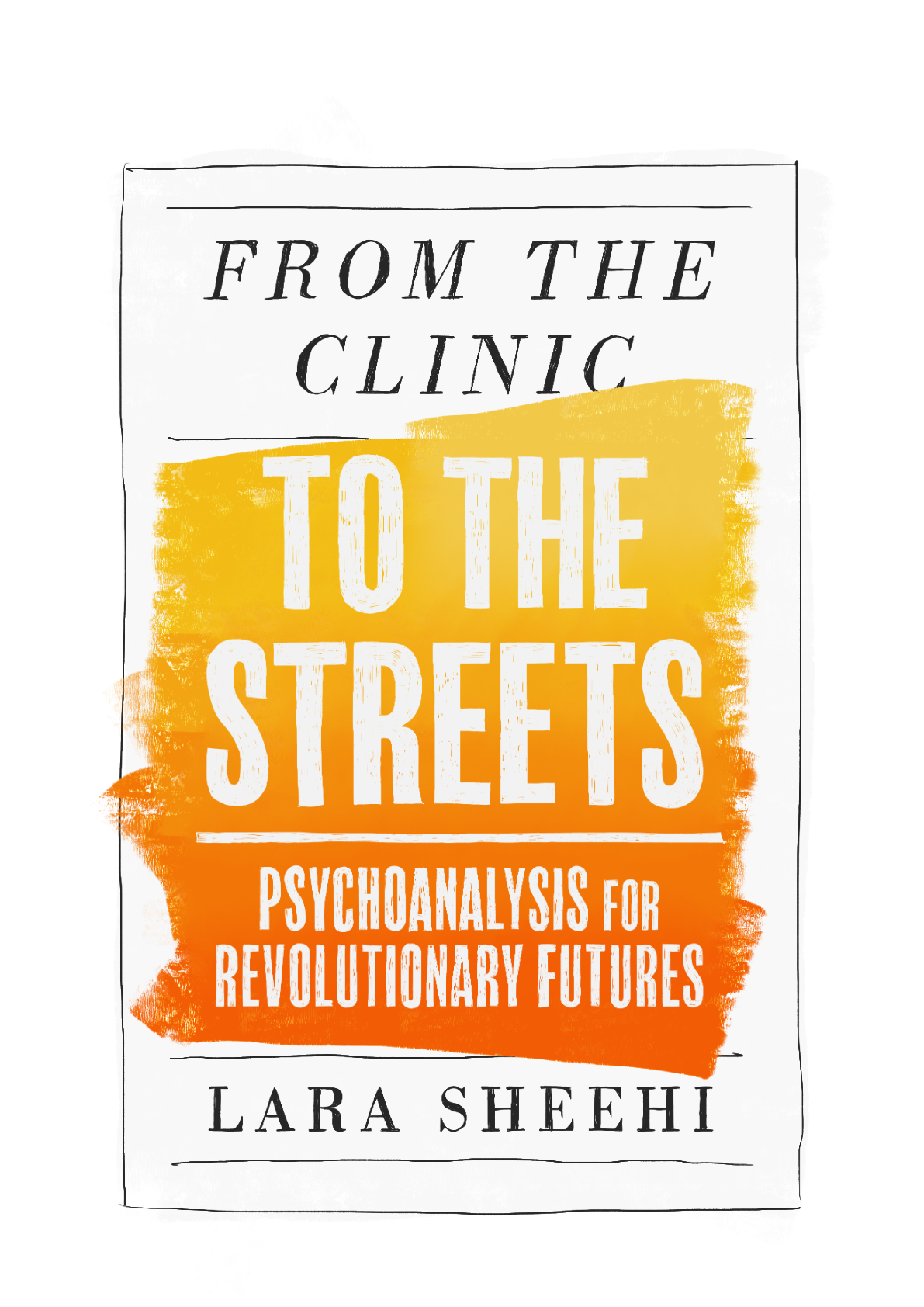
FROM THE CLINIC TO THE STREETS

Psychoanalysis is having a resurgence in popularity—but it is not helping patients navigate the harm of modern-day capitalism. Instead, it continues to enforce oppressive structures, state power, and reactionary politics.
Practising psychoanalytic clinician Lara Sheehi creates a thrilling argument for how seizing the means of psychoanalysis can transform it into one of many tools in service of revolution, showing how psychoanalysis can help unpack how psychological and emotional processes are mobilized by political power, capitalism, the state, oppression, and even genocide.
Arguing for a new, liberatory psychoanalysis, she calls for us to harness its radical power from the clinic to the streets.
MORE
FROM THE CLINIC TO THE STREETS

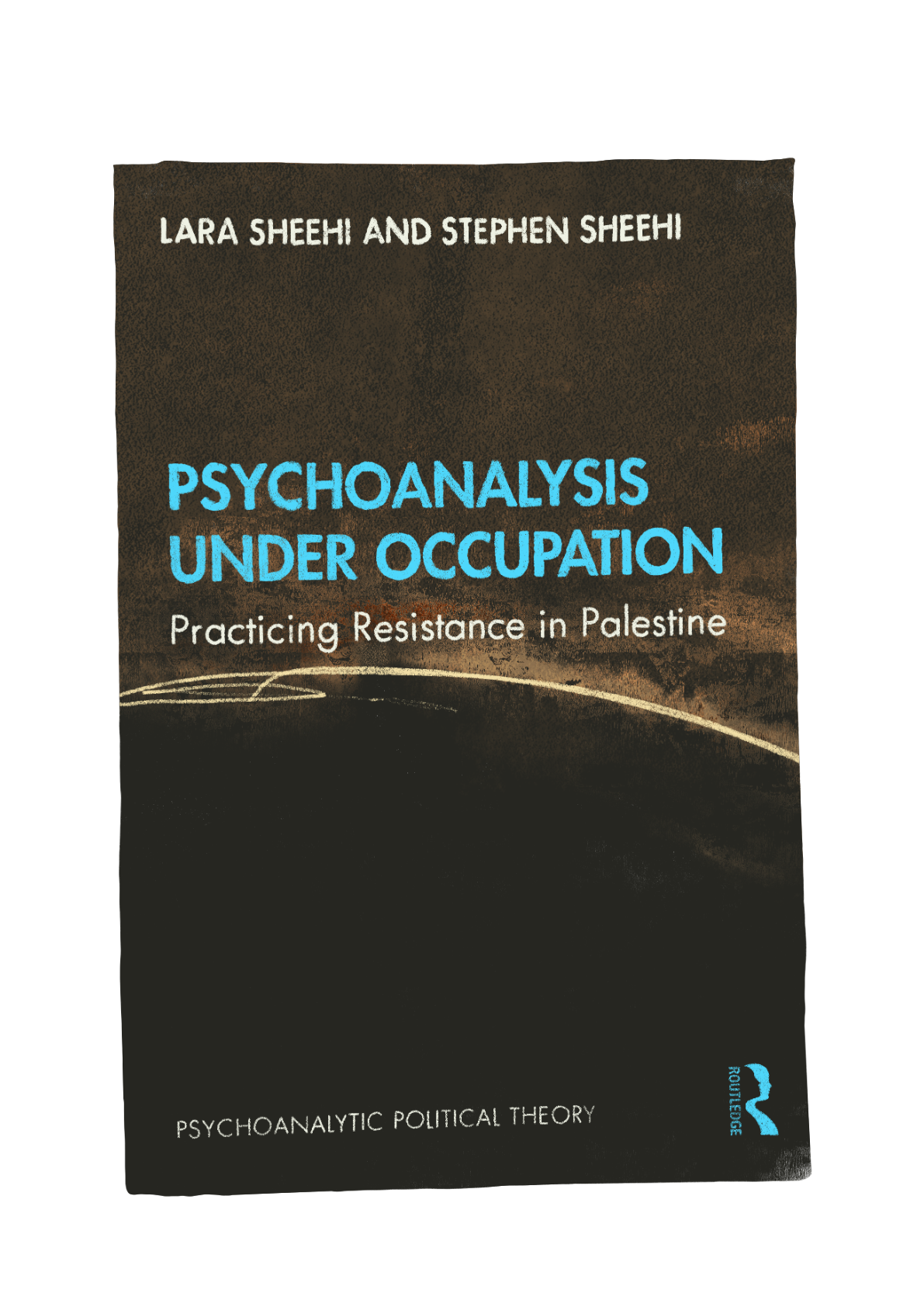
PSYCHOANALYSIS UNDER OCCUPATION

Heavily influenced by Frantz Fanon and critically engaging the theories of decoloniality and liberatory psychoanalysis, Lara Sheehi and Stephen Sheehi platform the lives, perspectives, and insights of psychoanalytically inflected Palestinian psychologists, psychiatrists, and other mental health professionals, centering the stories that non-clinical Palestinians have entrusted to them over four years of community engagement with clinicians throughout historic Palestine.
Sheehi and Sheehi document the stories of Palestinian clinicians in relation to settler colonialism and violence but, even more so, in relation to their patients, communities, families, and one another (as a clinical community). In doing so, they track the appearance of settler colonialism as a psychologically extractive process, one that is often effaced by discourses of "normalization," "trauma," "resilience," and human rights, with the aid of clinicians, as well as psychoanalysis.